Roxbury, New York
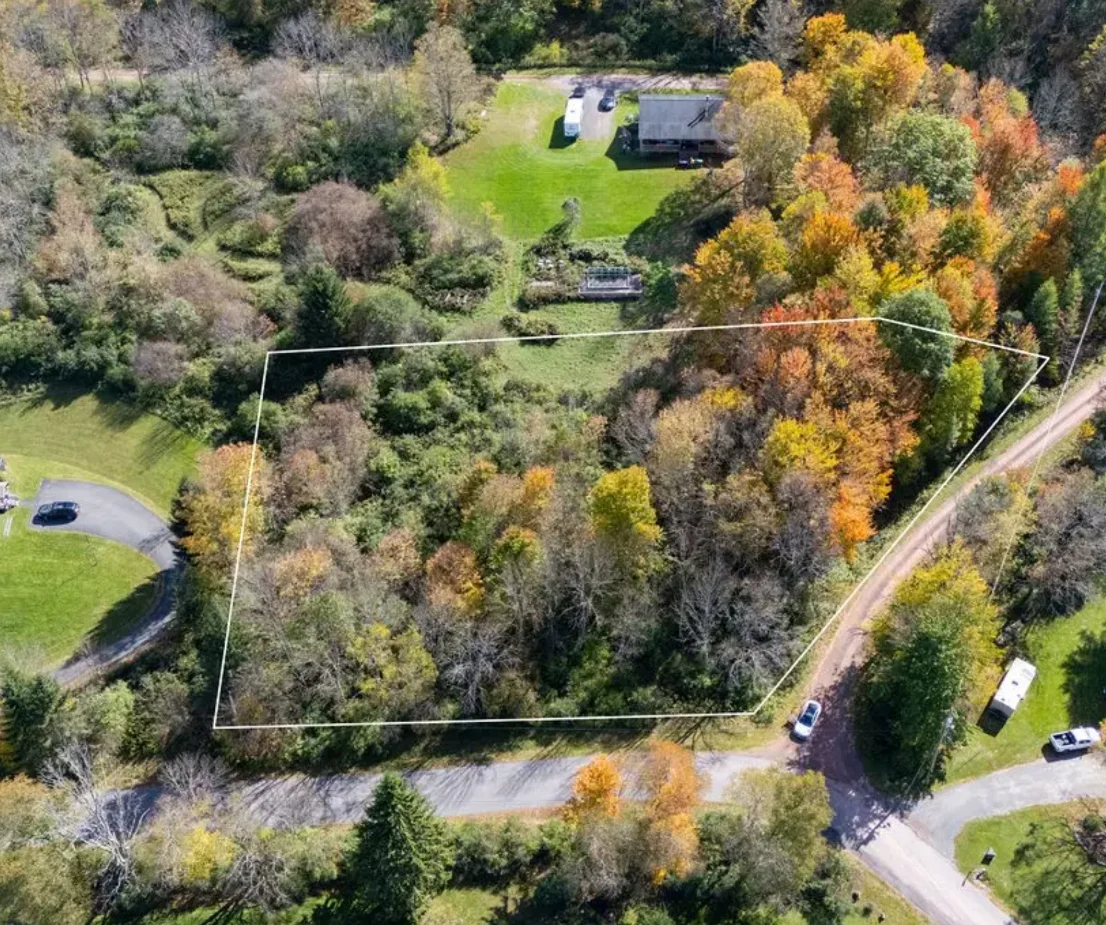
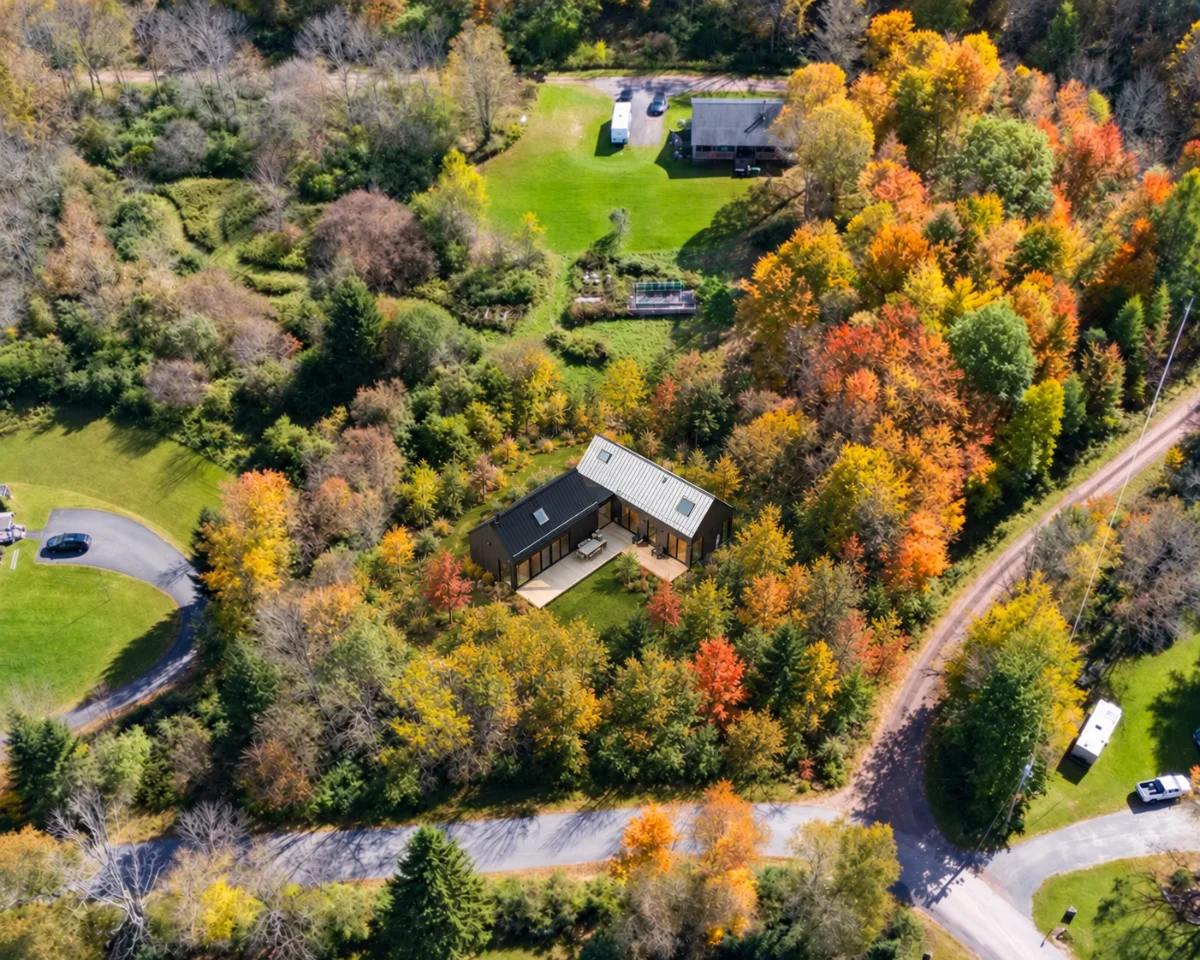
Lot 40 on Crest Drive is a 1.05-acre building site close to the village of Roxbury, in Delaware County on the western side of the Catskills. It is one of the rare lots up here that comes ready to build on: town water and electric are available, and town sewer may be too, which takes the well and septic work off the table. The plan places a HUTS Small L and a generous deck on the lot, used as a second home and rented on the weeks you are away.
Timeline
This is for someone who wants a place in the Catskills and would like it to carry part of its own cost. The Small L gives you two bedrooms, a dedicated office and a vaulted great room on a single acre near one of the best small towns in the mountains. You come up for ski weekends and summer swims, and the rest of the year it rents to people looking for the same thing.
The Location
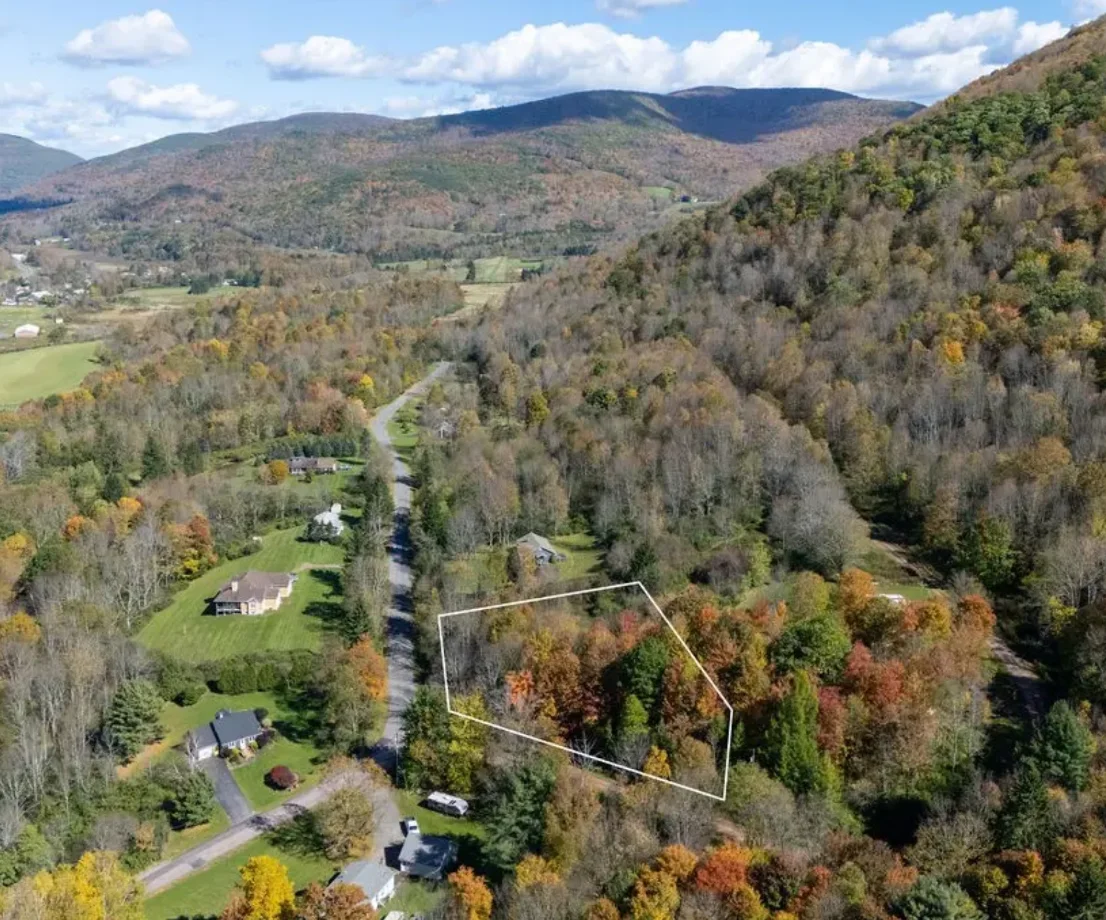
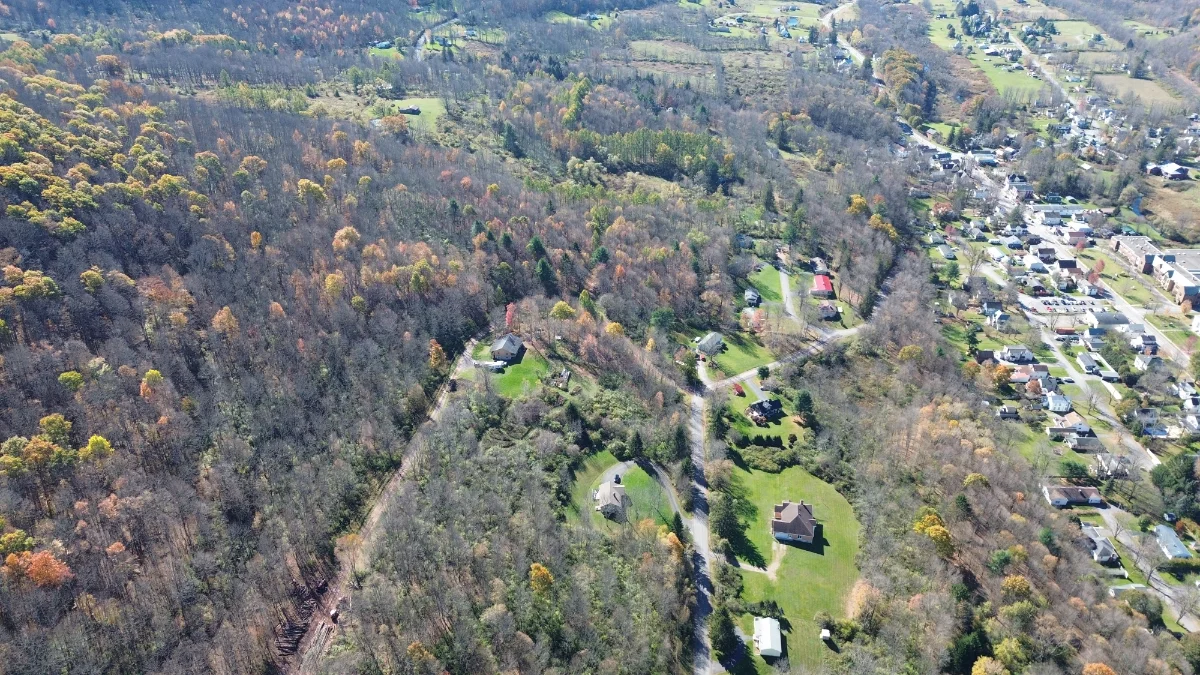
Roxbury sits along Route 30 in the valley of the East Branch of the Delaware, a small village with a strong pull for weekenders. Plattekill Mountain is a short drive for skiing and mountain biking, and Belleayre is not much farther. The Catskill Scenic Trail runs through town, and Margaretville, Andes and the Pakatakan farmers market in Halcottsville are all close by. New York City is about three hours away.
The Lot
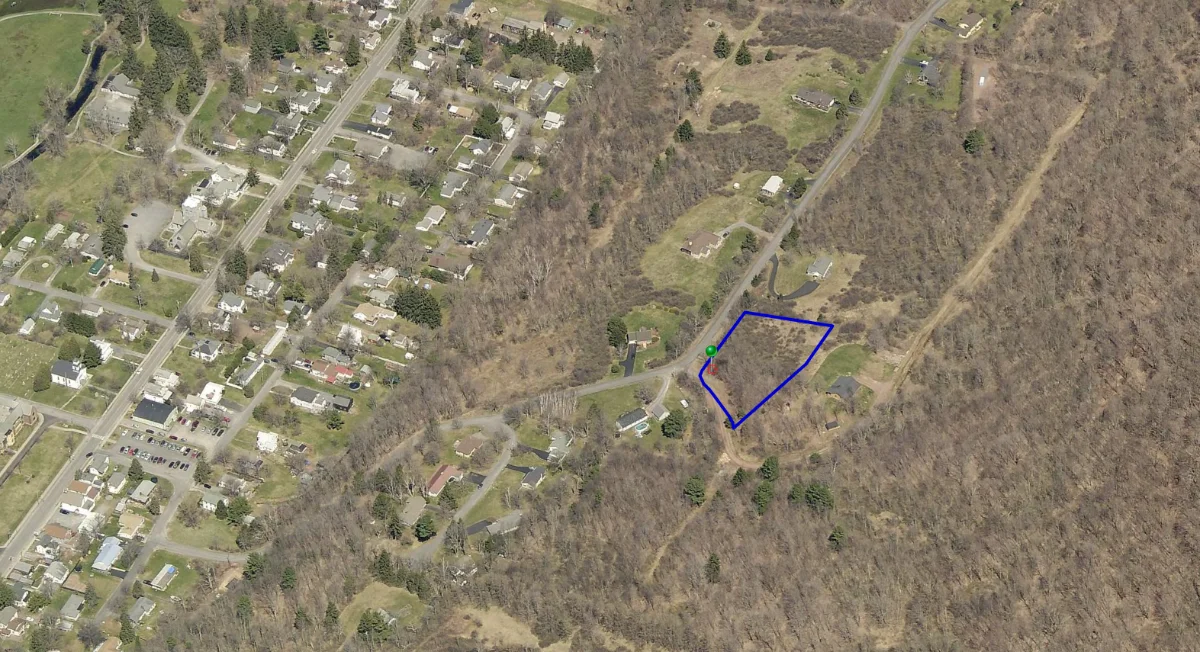
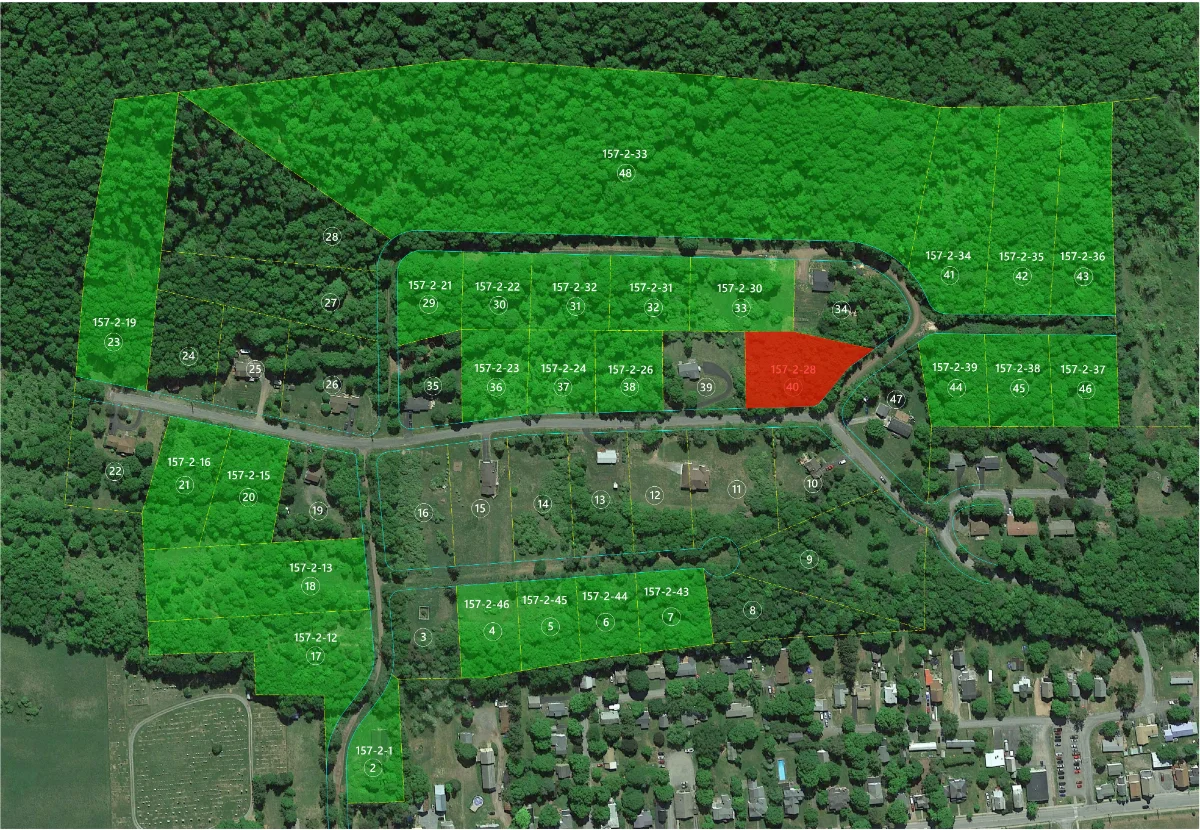
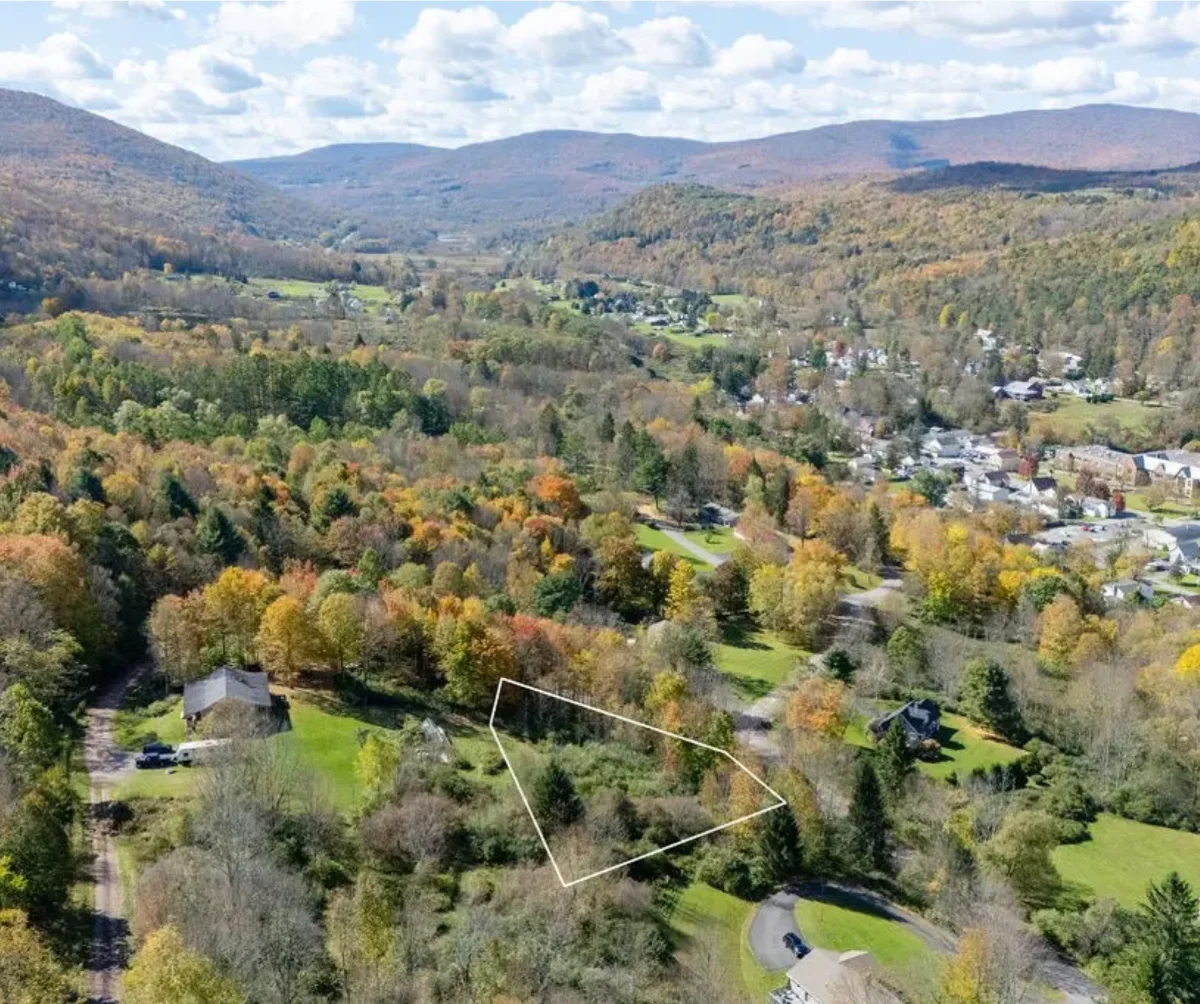
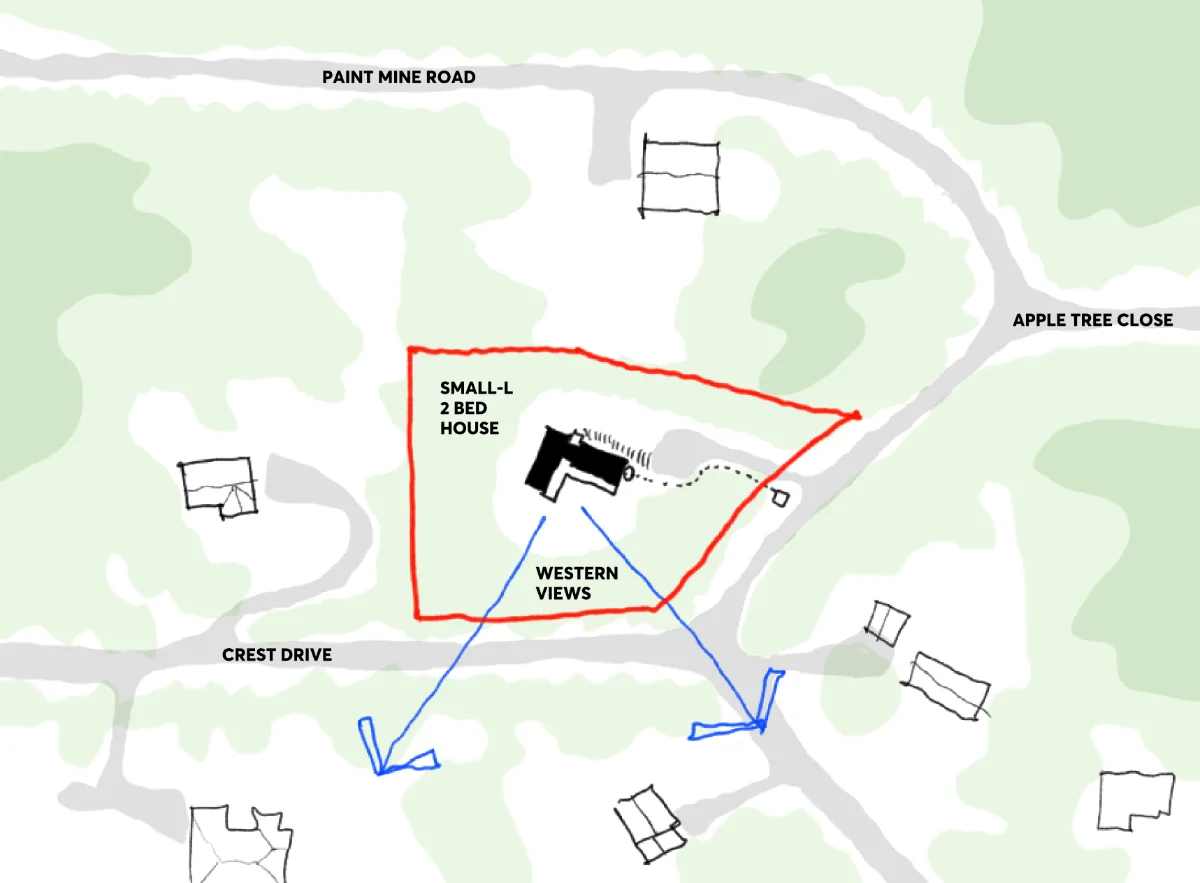
1.05 wooded acres on Crest Drive, one of a set of lots on the hillside just above the village, with fall color all around and the valley opening out below. Town water and electric are available, and the lot may be able to connect to town sewer. That removes the usual unknowns of raw land in the Catskills, where a perc test or a well can decide a project. What's left is straightforward: a driveway in, some clearing at the build site, and power trenched to the house.
Acquisition
Lot 40 Crest Drive is listed at $79,000. Add roughly $4,500 for closing — title, attorney, transfer tax and recording. HUTS walks the lot with you, confirms water, electric and sewer availability with the town, reviews setbacks and access, and manages diligence through to closing. Expect four to six weeks from offer to keys.
Groundwork
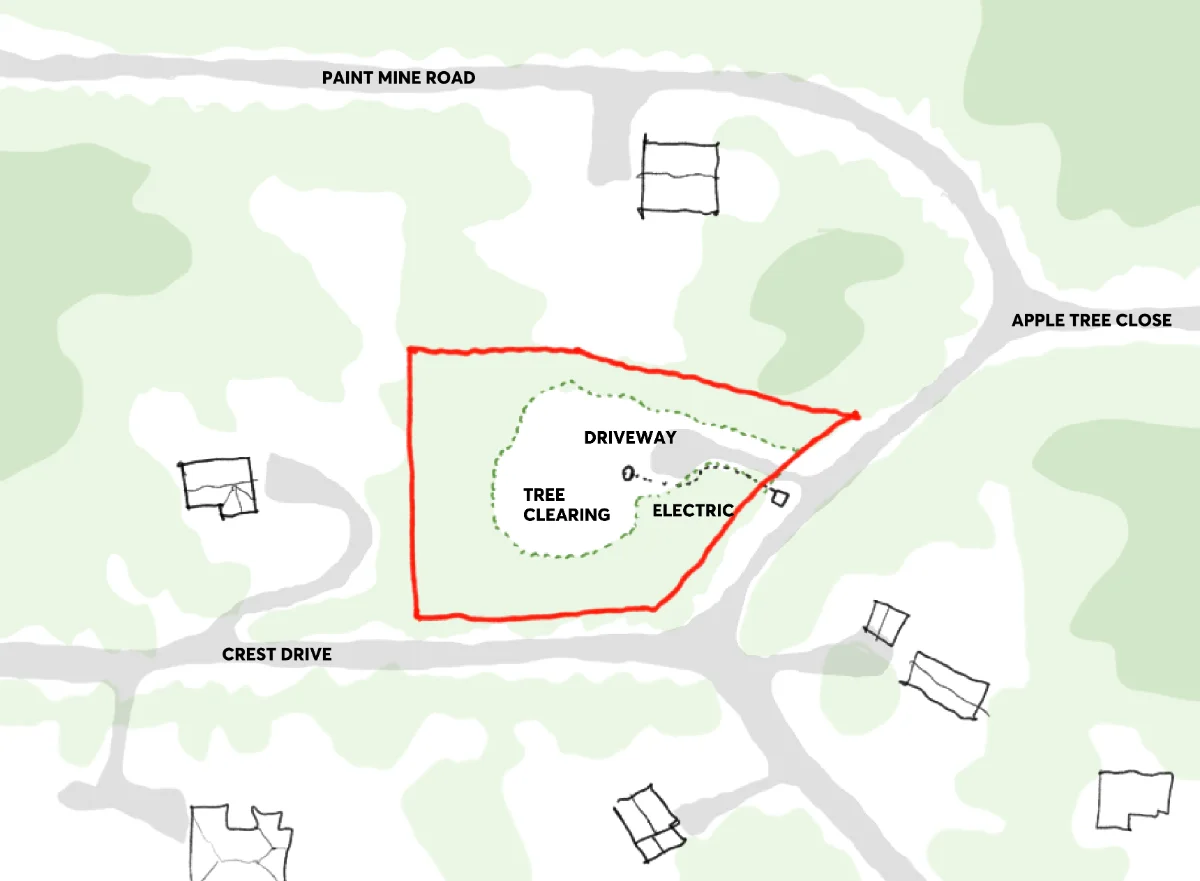
With utilities already at the road, groundwork here is light. We bring a driveway in from Crest Drive, clear the trees we need around the house and deck, and trench electric to the build site. When it's done, the lot is ready for a foundation.
Design & Construction
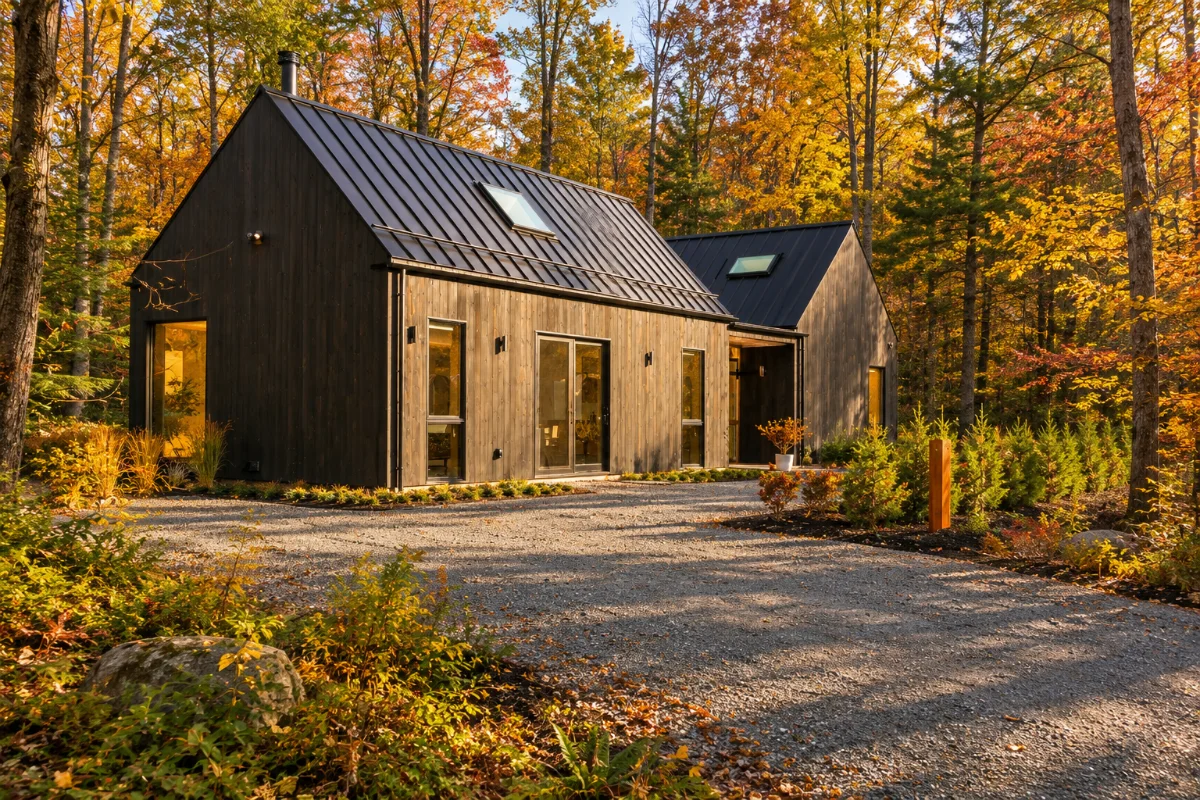
The Small L is one of our Standards, so the design work starts from a home we know well. We site it on the lot, make your selections, carry the drawings through the Town of Roxbury and Delaware County, and build the house and deck under one contract.
Siting the Small L
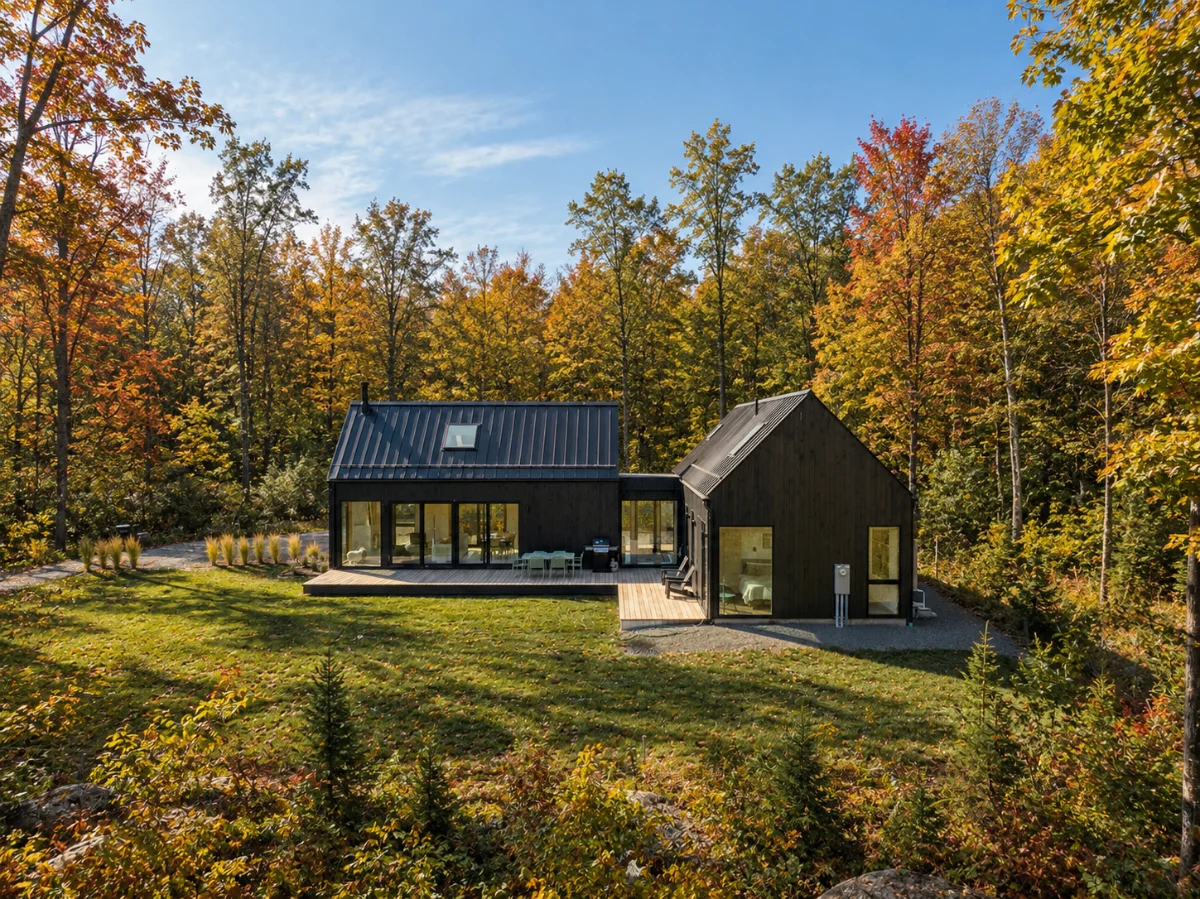
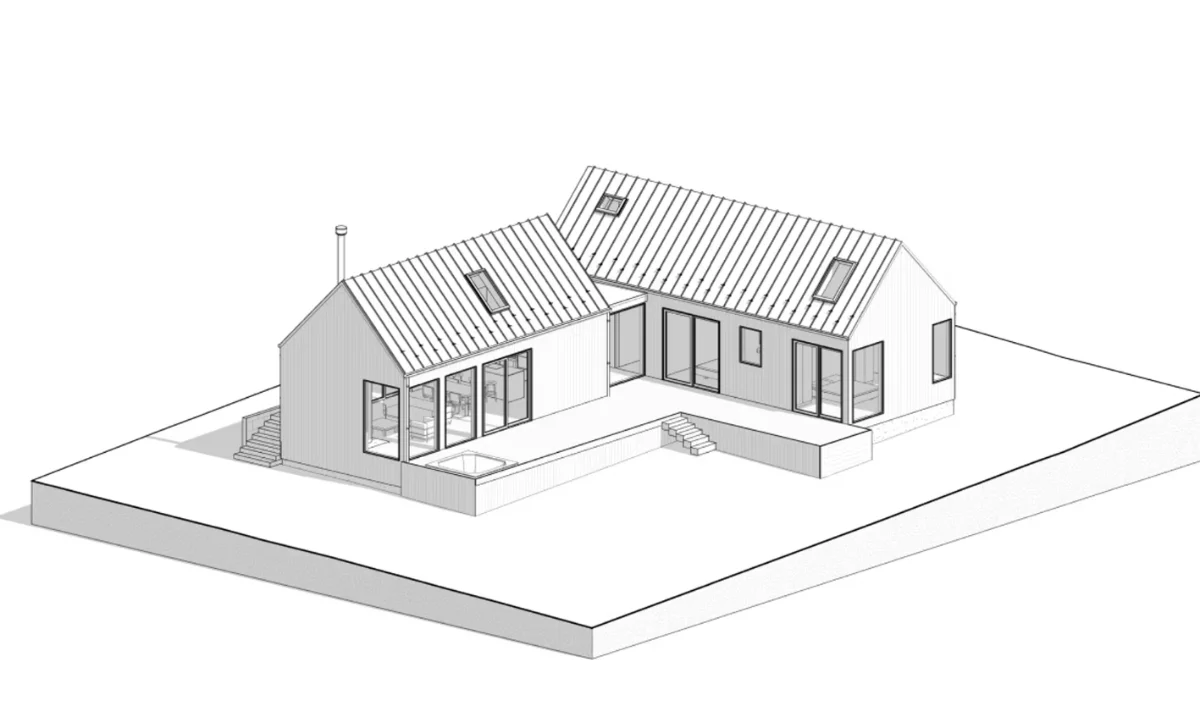
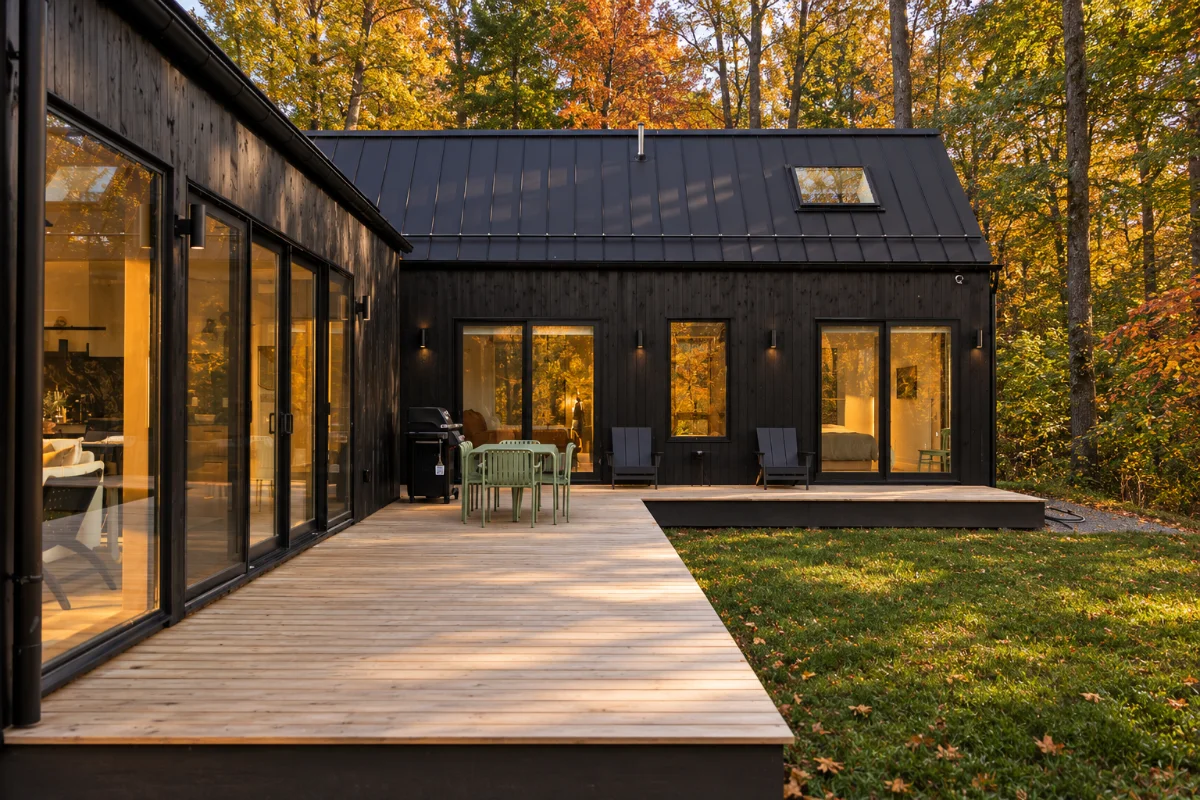
Two gable-roofed forms joined in an L: 1,400 square feet with two bedrooms, a dedicated office, a mudroom with laundry, a chef's kitchen and a vaulted great room. We orient it on the lot for light and outlook and set a roughly 400-square-foot deck in the crook of the L, so the great room opens straight out onto it.
Plans & Permits
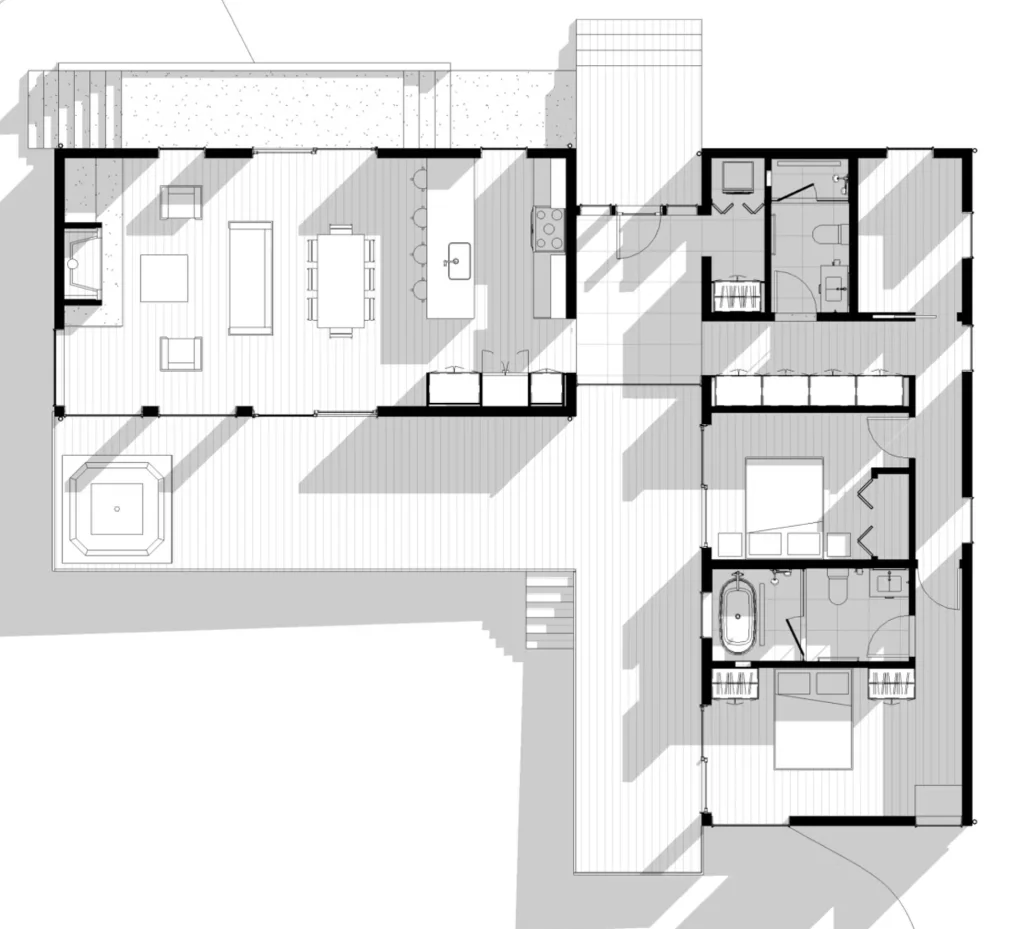
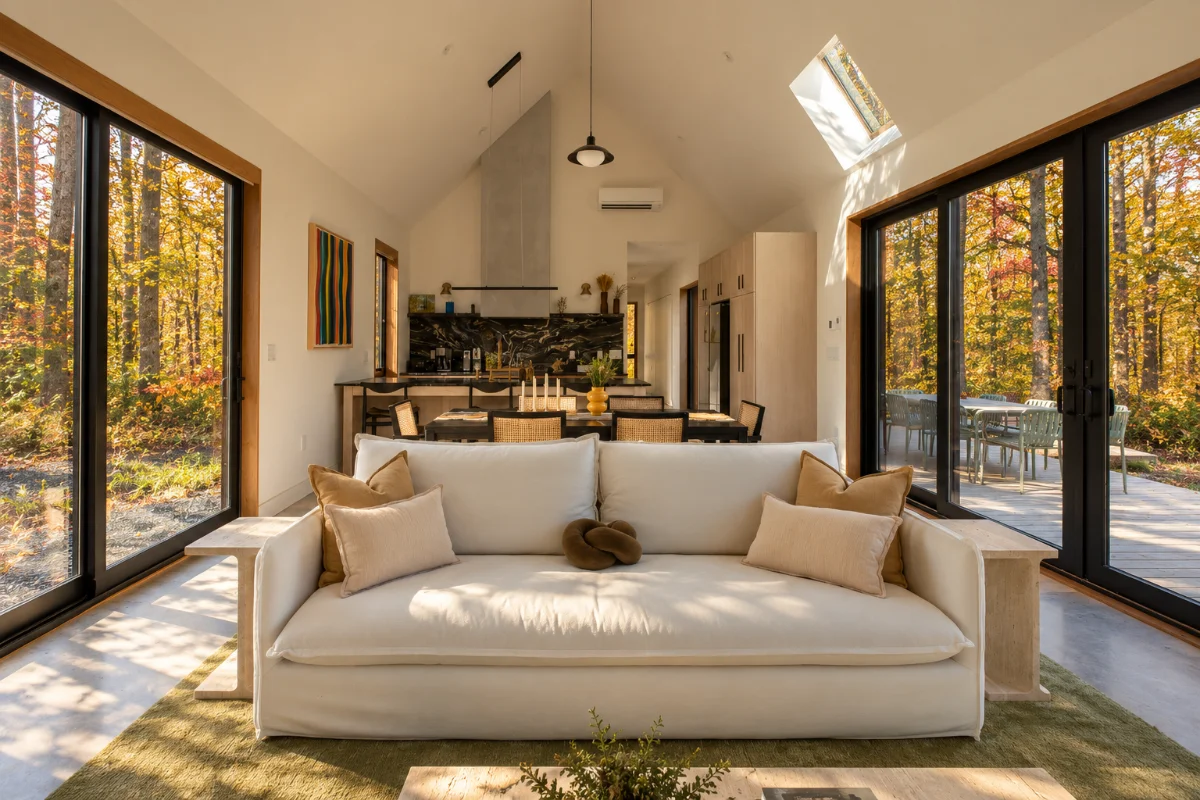
Living, kitchen and dining share one long vaulted room with glass on both sides. The bedrooms, bath and office sit in the second wing, with the mudroom and laundry at the hinge. We carry this plan through structural engineering, utility connections and permit drawings for the house and deck. HUTS soft costs of $55,000 cover design, documentation and project management, and structural engineering adds $8,500. Because the Small L is a repeated product, we know where pricing should land — about $400 per square foot here — and the builder confirms it in preconstruction, so the number you finance is the number you build to.
Use & Rent
You use the house when you want it and rent it when you don't. We underwrite at 55% blended occupancy and an average of $400 a night across the year — busier in ski season, summer and fall foliage, quieter in mud season.
The Small L
Dark vertical cladding, a standing-seam roof and big panes of glass facing the deck. The Small L is designed for weekends away, full-time living or high-value renting: the office makes longer stays work, the mudroom handles ski boots and wet dogs, and the deck adds an outdoor room at a fraction of the cost of an indoor one.
Experience
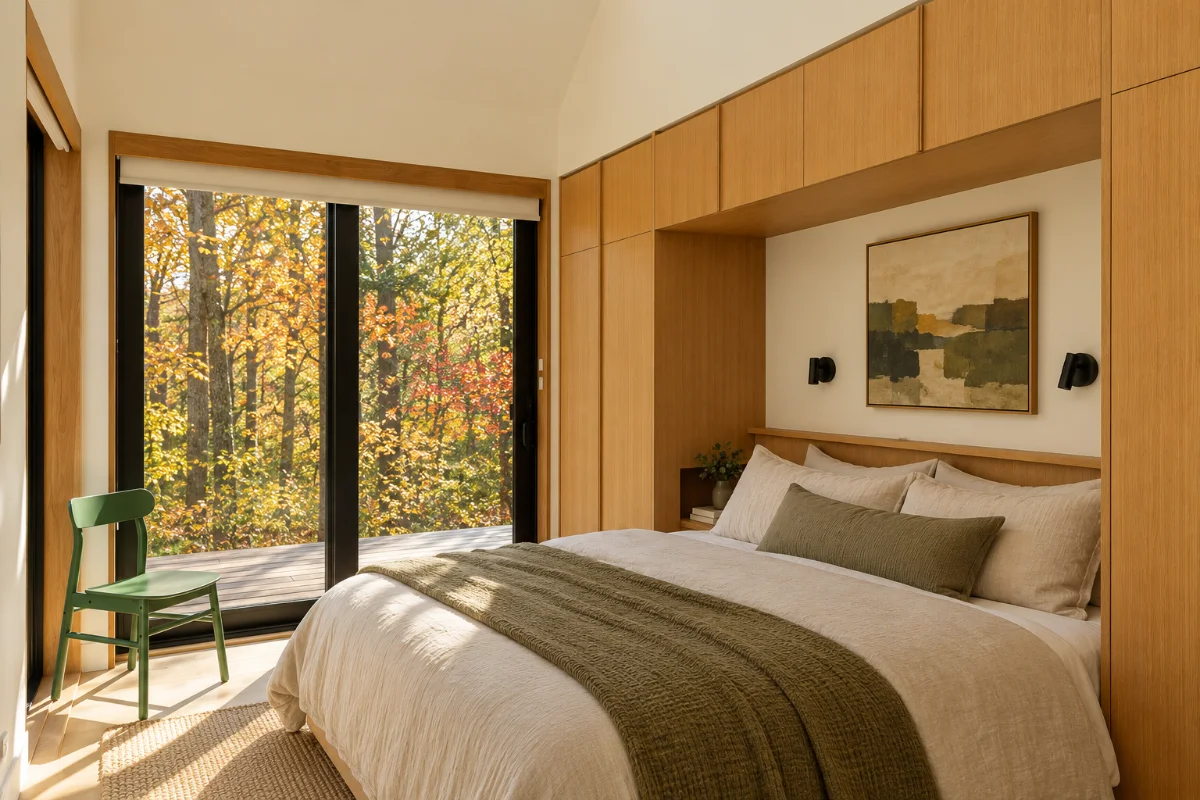
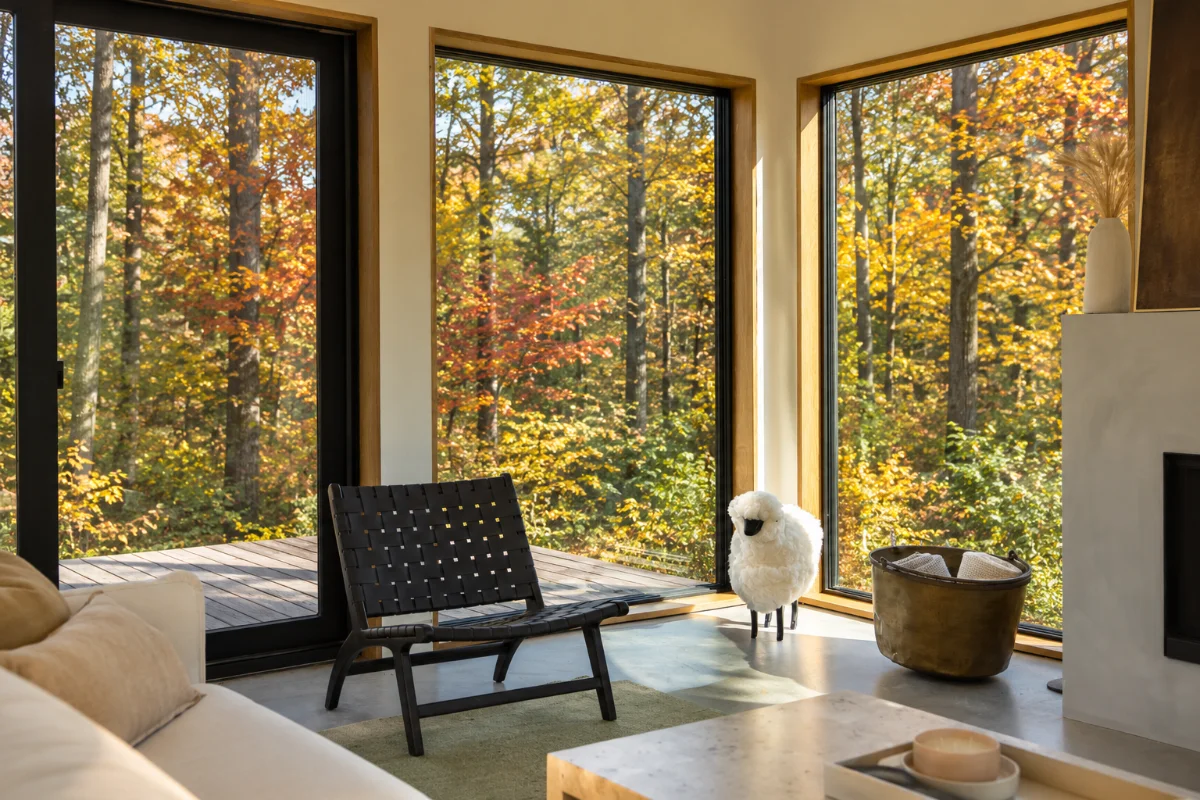
Both bedrooms look straight out into the trees, with built-in oak storage and windows that run nearly floor to ceiling. Guests wake up to the woods, have coffee on the deck, spend the afternoon at Plattekill or on the Scenic Trail and walk into the village for dinner. It's the Catskills weekend people are looking for, and it books accordingly.
Your Weeks
Block the weeks you want first — a ski week in February in front of the fire, the Fourth of July, a stretch in October when every window is full of color — and the calendar opens up around them. At 55% blended occupancy there is plenty of room left for you, and the house earns on the weeks you're back in the city.
Hosting
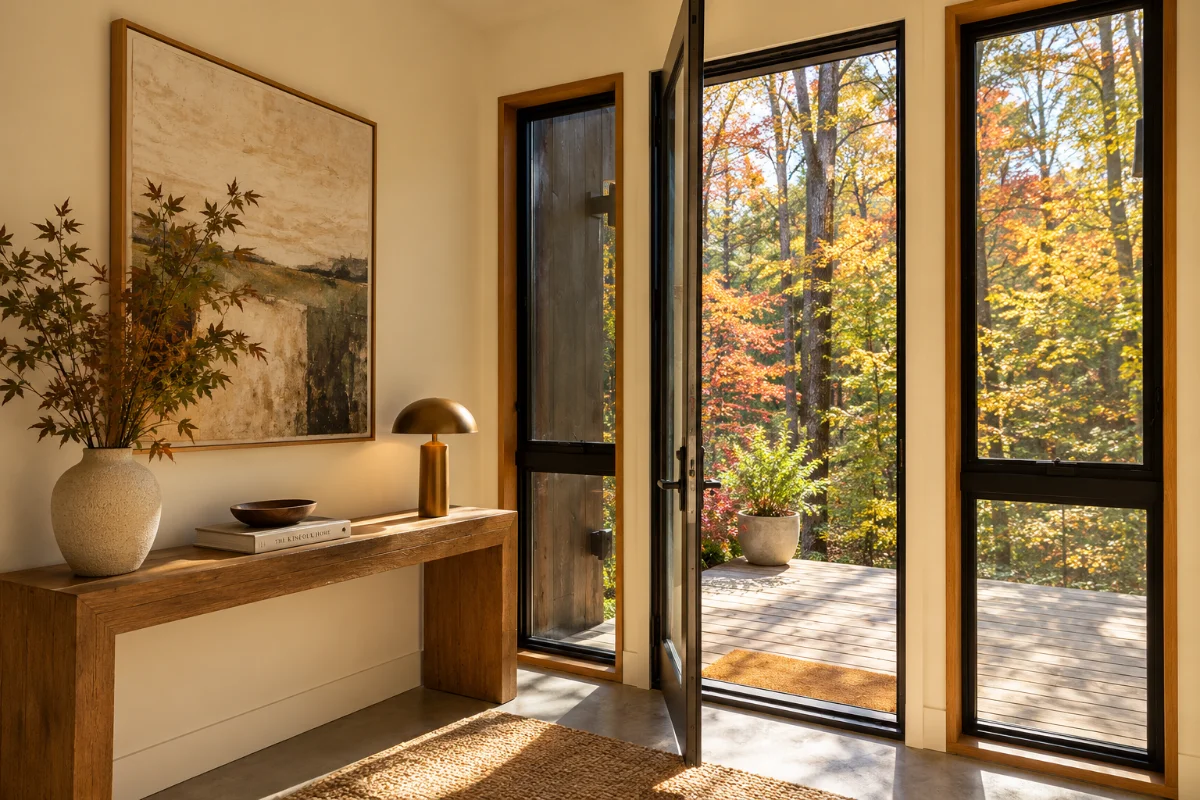
Guests come in to a warm, simple entry with the woods right outside the glass. Smart locks, zoned mini-splits and remote monitoring mean the house can be run from anywhere, and a local cleaner turns it over between stays. Ski season, summer and foliage carry the year; mud season is when you go up and enjoy it yourself.
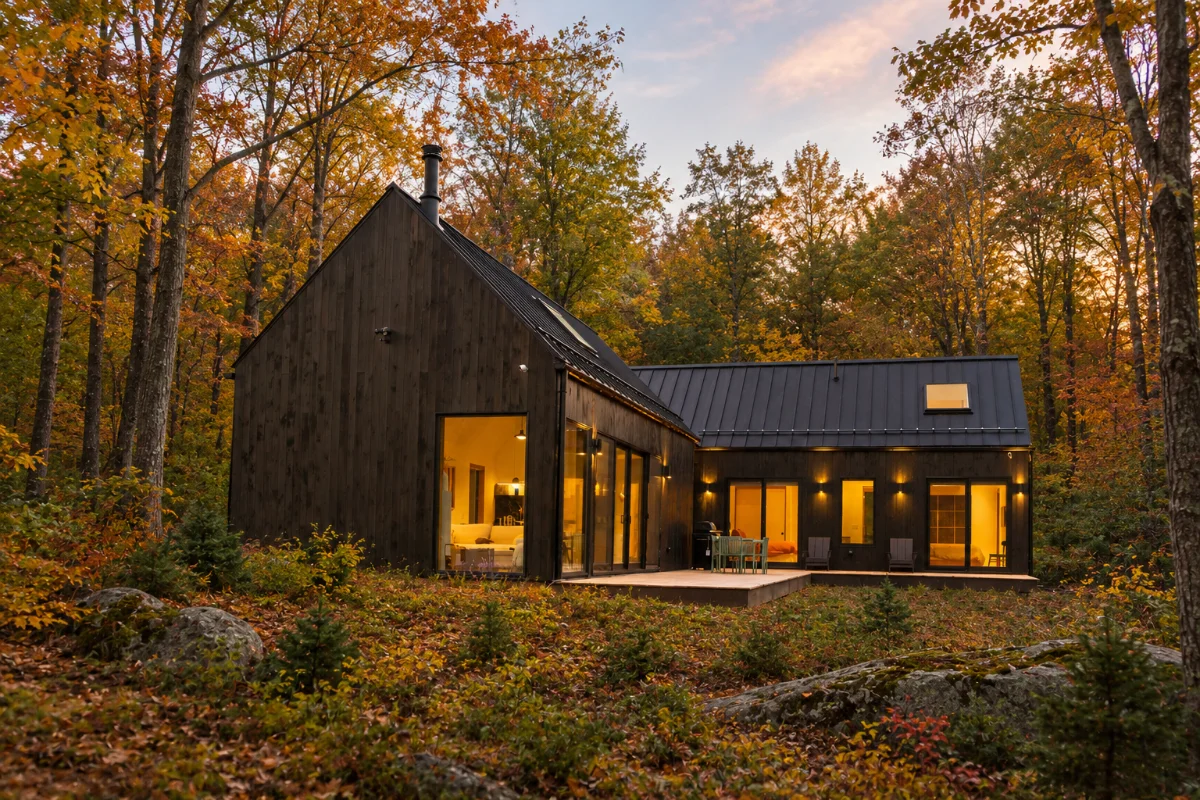
A new Small L with a deck on an acre near Roxbury, built on a lot that came with its utilities. The total project comes in around $767,000. At 55% occupancy and $400 a night, the house covers its operating costs and its mortgage, with a modest cash return on top. The figures below sum it up.
Development Opportunity FAQs
How do I start?
Fill out the form at the bottom or email us at hello@huts.com. We'll set you up with the HUTS buyer's agent who helps source and outline these development opportunities. You can schedule a time to walk the property for a comprehensive understanding of the land and the proposed development. Our team supports you from closing through the finished home and beyond.
How will I finance this project?
Financing typically combines cash upfront with a construction-to-permanent mortgage. HUTS has preferred relationships with local banks in the areas we work. Upfront cash covers the property, design and documentation, and ideally initial groundwork; banks generally require 20–30% of total cost as cash or appraised land value. The remainder is covered by a construction loan that converts to a 30-year fixed mortgage after the certificate of occupancy — one set of closing costs and lower carrying costs during construction.
Does HUTS offer financing?
HUTS does not provide financing as we are not a financial institution. However, we have extensive experience navigating financing structures for developments and work closely with financing partners who understand our business model and have a successful history with our clients.
Who will build this development?
We source a build partner from our contractor network, which is particularly deep in the Catskills, Hudson Valley and Berkshires. We consider bandwidth, execution quality, timing, scope and temperamental fit when matching clients with a contractor. Building is a team sport, and the client–contractor relationship is critical to a project's success.
Does HUTS do Design-Build or Design-Bid-Build?
We take a hybrid approach that merges the best of both. By selecting a contractor early and engaging in a preconstruction contract, we arrive at a final construction cost collaboratively. Because our houses are repeated products, we know where pricing should land and the levers for value engineering — getting to a financeable, build-ready project with both design-build efficiency and free-market competitive pressure.
Where do the rental figures come from?
Our rental estimates blend AirDNA data with local comparables. We set prices supported by the market while avoiding a race to the bottom. Our design and placemaking strategy supports rates slightly above the AirDNA median, and we maintain a conservative stance on occupancy.
Will HUTS support me on the rental side?
We're working toward better supporting clients on the rental side. With over 20,000 inquiries for HUTS services, we've tailored our standards and development opportunities to the needs of our clients and the market, and efforts are underway to help more people experience staying in a HUTS property.
How accurate are the construction numbers?
Our figures are estimates grounded in real numbers from current HUTS projects. With over forty active projects in the Hudson Valley, we have a clear understanding of construction costs. Groundwork expenses vary by lot based on house location, land grade, forest clearing and more, so we assess each lot individually.
Why the phased approach to development?
We're happy to do as much or as little at once as clients have an appetite for. Phasing lets us set a clear, feasible financial strategy — thinking about what can be done upfront in cash on hand versus what happens behind a construction loan — and lets people live with their property over time.
Can I see other HUTS houses?
HUTS projects are private property, but if you reach out to hello@huts.com we can set you up with a driving tour to see built and in-construction HUTS projects.